Every modern terminal can take both, but tap (contactless) and chip transactions work differently under the hood — and understanding that difference explains why one is usually faster and just as secure as the other.
How chip (EMV) works
A chip card generates a unique, one-time code for every transaction, which is why chip payments replaced magnetic stripe as the standard: a stolen chip transaction code is useless for the next purchase, unlike a copied stripe. The trade-off is time — the card has to stay inserted while the terminal and the issuing bank complete that exchange, typically a few seconds.
“Tap and chip protect a transaction the same way — tap just gets out of the way faster.”
How tap (contactless / NFC) works
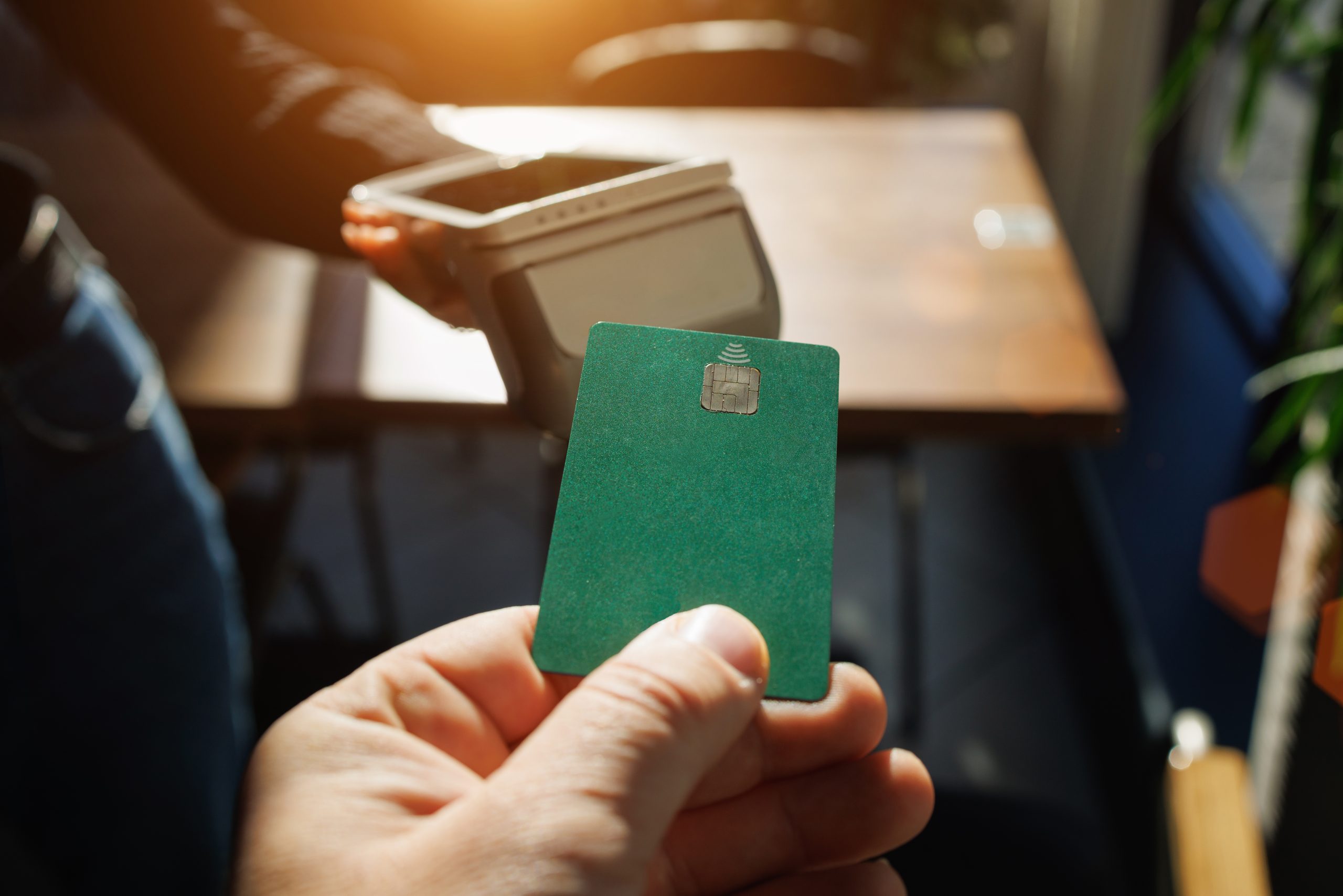
Tap-to-pay uses the same one-time-code technology as chip, transmitted over short-range wireless instead of a physical connection. Because there’s no dip-and-wait step, transactions complete in under a second in most cases — this is also the technology behind Apple Pay, Google Pay, and Tap to Pay on iPhone.
Are they equally secure?
Yes. Both rely on the same EMV chip technology and one-time transaction codes; contactless simply changes how that data reaches the terminal. The security profile is effectively identical, which is why card networks have pushed tap adoption so aggressively — it’s faster with no security trade-off.
What this means at the counter
For a high-volume counter — a cafe, a quick-service restaurant, a retail checkout — encouraging tap over chip shaves real seconds off every transaction, which adds up across a full day of line traffic. Most customers already default to tap when a terminal supports it; making sure your terminal displays the contactless symbol clearly is often enough to nudge the rest.



No Comments